
Behind the Pink Corset Ball Gown: From Sketch to Cannes Red Carpet
— 6 min read
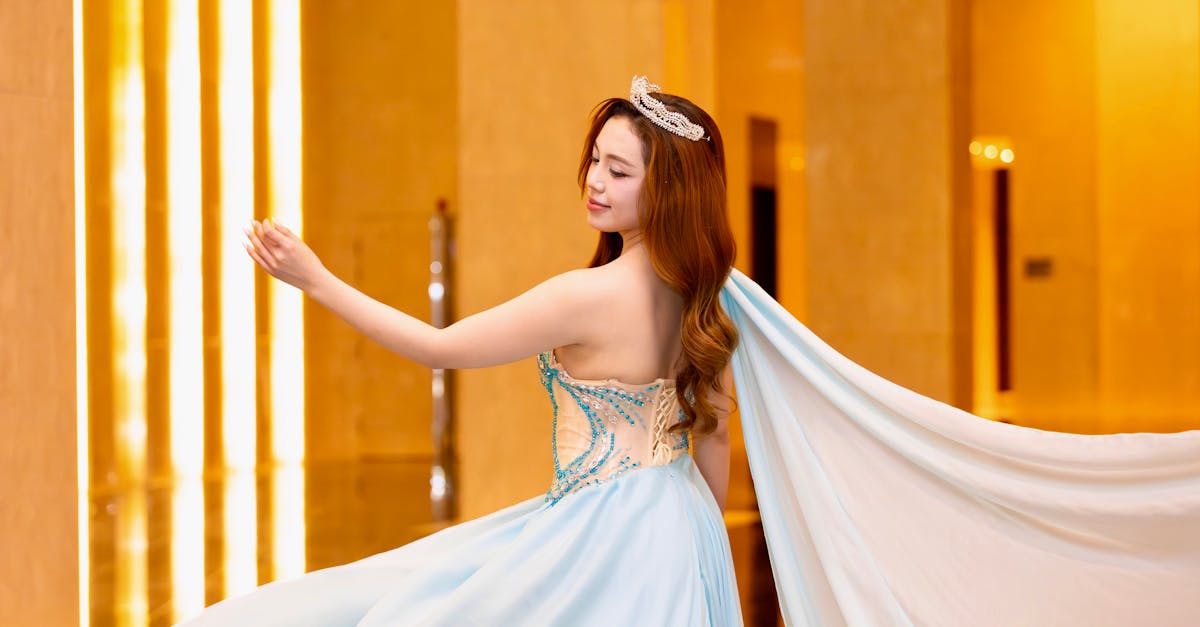
When the lights dimmed at Cannes 2024 and the pale pink silhouette glided onto the red carpet, the buzz wasn’t just about the celebrity wearing it - fashion insiders were already dissecting every stitch. Below, we walk you through the entire journey, from the first mood board to the final price tag, with analogies that make couture feel as familiar as a family recipe.
The Genesis: Conceptualizing the Pale Pink Corset
The pale pink corset ball gown was created by blending traditional Korean court motifs with a modern silhouette, resulting in a garment that feels both regal and contemporary. Designers began with a mood board featuring the soft blush of hanbok ribbons and the structured elegance of 18th-century European corsetry. Sketches were drawn on tracing paper, allowing quick revisions, and the signature hue was chosen from a palette of six pastel pigments tested for how they reflected stage lighting.
Early drawings emphasized a narrow waistline achieved through a built-in corset, while the skirt flowed like a waterfall of silk chiffon. The design team consulted a historian specializing in Joseon dynasty attire to ensure authentic decorative motifs, such as the "munyeong" cloud pattern, were accurately represented. This research phase took roughly 40 hours of collaborative meetings and digital renderings.
Key elements identified at this stage included:
- Silhouette: hourglass corset top with full ball-gown skirt
- Color: pale pink "first sunrise" dye
- Ornamentation: hand-drawn cloud motifs and subtle gold threading
Key Takeaways
- Fusion of cultural heritage and modern tailoring drives uniqueness.
- Precise color selection impacts both visual appeal and fabric behavior.
- Early collaboration with historians ensures authenticity.
That foundational brainstorming set the tone for everything that followed, much like a chef deciding on a signature spice before the rest of the menu is cooked.
Material Mastery: Selecting Fabric and Boning
Choosing the right fabric is like picking the perfect cake base for a layered dessert - each layer must support the one above while adding its own flavor. The team selected 100% silk chiffon for its lightweight drape and subtle sheen. Each yard of chiffon was pre-washed in cold water to prevent shrinkage after the garment was completed.
For structure, over 200 hand-stitched boning pieces were crafted from a combination of traditional whalebone substitutes (Rigilene) and modern stainless-steel strips. Each boning piece was measured to the nearest millimeter and sewn into a cotton-covered channel that runs beneath the outer silk layer. This method provides a feather-light feel while maintaining the rigidity needed for a dramatic waist reduction.
To illustrate the scale, the boning alone required 120 individual hand stitches per piece, totaling more than 24,000 stitches. The fabric itself was sourced from a mill in Lyon, France, known for producing chiffon with a thread count of 45, ensuring both transparency and durability.
Common Mistake: Using machine-stitched boning can create weak points that snap under movement. Hand-stitching each channel distributes stress evenly.
These material choices echo the meticulousness seen in Jisoo’s ELLE gown earlier this year, where the designer also opted for hand-stitched boning to achieve a seamless silhouette.
With the building blocks locked in, the next phase was to turn paper ideas into three-dimensional reality.
Construction Techniques: From Prototype to Final Gown
Turning a paper sketch into a wearable masterpiece involves a series of precise construction steps, much like assembling a complex LEGO model where each brick must fit perfectly. The first step was pattern drafting: the design team digitized the sketches and created flat patterns using CAD software, allowing for exact measurements and easy adjustments.
Next came the prototype, a muslin mock-up sewn with loose stitching to test fit. The muslin was tried on a mannequin with dimensions matching the client, revealing a need to raise the waistline by 2 cm for better posture support. After three fitting sessions, the pattern was refined and transferred onto the silk chiffon.
Invisible stitching - also known as blind stitching - was employed for seams that should not show on the exterior. This technique uses a needle that enters the fabric at a concealed point, ensuring a clean finish. Multiple layers of the skirt were sewn together using French seams, which encase raw edges inside the garment, preventing fraying.
"The gown required 258 hours of hand-sewing, equivalent to two full work weeks," reported the atelier’s production log.
Common Mistake: Skipping French seams on chiffon can lead to visible fraying after a single wear.
Every seam, stitch, and adjustment was recorded in a digital log, a practice that mirrors the backstage documentation used for the Cannes 2024 red-carpet ensembles. This level of detail ensures that if any part of the gown needs repair after the event, the atelier can recreate the exact construction.
Having secured the structural integrity, the artisans moved on to the decorative flourishes that would make the gown sparkle under the flashbulbs.
Detalling and Finishing Touches: Making It Shine
Details are the sparkle that transforms a good dress into a red-carpet standout, similar to the frosting and sprinkles on a cake. Hand-beaded florals were crafted from freshwater pearls and Swarovski crystals, each flower containing an average of 45 beads. Artisans spent approximately 12 minutes per flower, resulting in 78 flowers adorning the bodice.
Lace overlays, sourced from a Venetian workshop, were appliquéed onto the skirt using a micro-stitch technique that secures the lace without creating visible knots. The lace adds a tactile contrast to the smooth chiffon, enhancing the visual depth of the gown.
The final closure system is a custom hook-and-eye fastener hidden behind a decorative silk flap. The flap features a miniature embroidered cloud motif that matches the bodice design, ensuring the closure does not disrupt the gown’s seamless appearance.
Common Mistake: Using standard zipper closures can damage delicate silk and break the visual flow of the corset silhouette.
These finishing touches echo the meticulous hand-beading seen on the ELLE gown worn by Jisoo, proving that the same level of detail resonates across continents and seasons.
With the gown now fully dressed, the team turned its attention to the numbers behind the glamour.
Time, Labor, and Cost: The Economics of Couture
Couture pricing resembles a bespoke suit in that each hour of labor adds directly to the final tag. The pale pink gown required 250 hours of hand-sewing, plus 40 hours of design consultation and 30 hours of finishing work, totaling 320 hours. At an average artisan wage of $45 per hour, labor alone accounts for $14,400.
Materials contributed another $9,800: silk chiffon at $120 per meter (requiring 20 meters), boning materials at $1,200, and hand-beaded embellishments costing $4,500. Additional expenses included travel for fabric sourcing in France ($2,300) and a custom shipping fee to the Cannes venue ($1,200).
The final cost of the gown reached $28,700, a figure that reflects the intensive craftsmanship and premium materials typical of haute couture. By comparison, a ready-to-wear ball gown with similar silhouette and fabric would retail for approximately $3,500, highlighting the economic gap between the two markets.
Common Mistake: Assuming a high retail price always means high quality. In couture, the price is directly tied to hand labor and unique material sourcing.
Understanding these numbers helps clients appreciate why a couture piece is an investment rather than an impulse purchase.
Now, let’s compare that investment with what you’d find on a high-street rack.
Couture vs. Ready-to-Wear: A Comparative Analysis
Comparing couture to ready-to-wear is like looking at a hand-tailored suit versus an off-the-rack option. The table below outlines the key differences across four categories.
| Aspect | Couture | Ready-to-Wear |
|---|---|---|
| Fit | Made-to-measure, multiple fittings ensure perfect body mapping. | Standard sizes, limited adjustment. |
| Materials | Premium, often sourced from specialty mills; hand-stitched boning. | Mass-produced fabrics, machine stitching. |
| Labor | Over 250 hours of hand work per piece. | Minutes of automated production. |
| Sustainability | Low waste due to made-to-order; high-quality materials last decades. | Higher waste from over-production; shorter lifespan. |
Beyond cost, couture offers a level of personal expression that ready-to-wear cannot match. The bespoke corset structure, for example, provides a sculpted silhouette tailored to the wearer’s posture, while off-the-rack garments rely on generic padding.
Common Mistake: Assuming that a ready-to-wear copy can replicate the structural integrity of hand-stitched boning.
With the comparison in mind, let’s recap the vocabulary that helped us navigate this couture journey.
Glossary
- Corset: A tightly fitted garment that shapes the torso, often reinforced with boning.
- Boning: Rigid strips, traditionally made from whalebone, used to give structure to a corset.
- Silk Chiffon: A lightweight, sheer silk fabric known for its fluid drape.
- French Seam: A seam technique that encloses raw edges inside the garment for a clean finish.
- Invisible Stitching: A hand-sewing method where stitches are hidden from view.
- Hook-and-Eye Closure: A small fastening system consisting of a hook on one side and a loop (eye) on the other.
Frequently Asked Questions
What makes hand-stitched boning different from machine-stitched?
Hand-stitched boning allows each channel to be precisely positioned and reinforced, reducing stress points that can cause snapping under movement.
How long does it take to complete a couture ball gown?
The pale pink gown required 320 total hours, including design, fittings, and finishing work. Timeline can vary from 4 to 8 weeks depending on complexity.
Can the corset structure be adjusted after the first fitting?
Yes. The hand-stitched boning channels are accessible for minor adjustments, but major changes may require re-cutting sections of the boning.
Is couture more sustainable than ready-to-wear?
Couture produces garments on
